Communities across the United States are increasingly being approached with data center development opportunities, driven by rapid growth in cloud computing, artificial intelligence, and digital infrastructure.
Most people use services powered by data centers every day without realizing it. Streaming movies, storing photos in the cloud, using online banking, sending emails, shopping online, attending virtual meetings, and even using GPS navigation all rely on data centers operating behind the scenes.
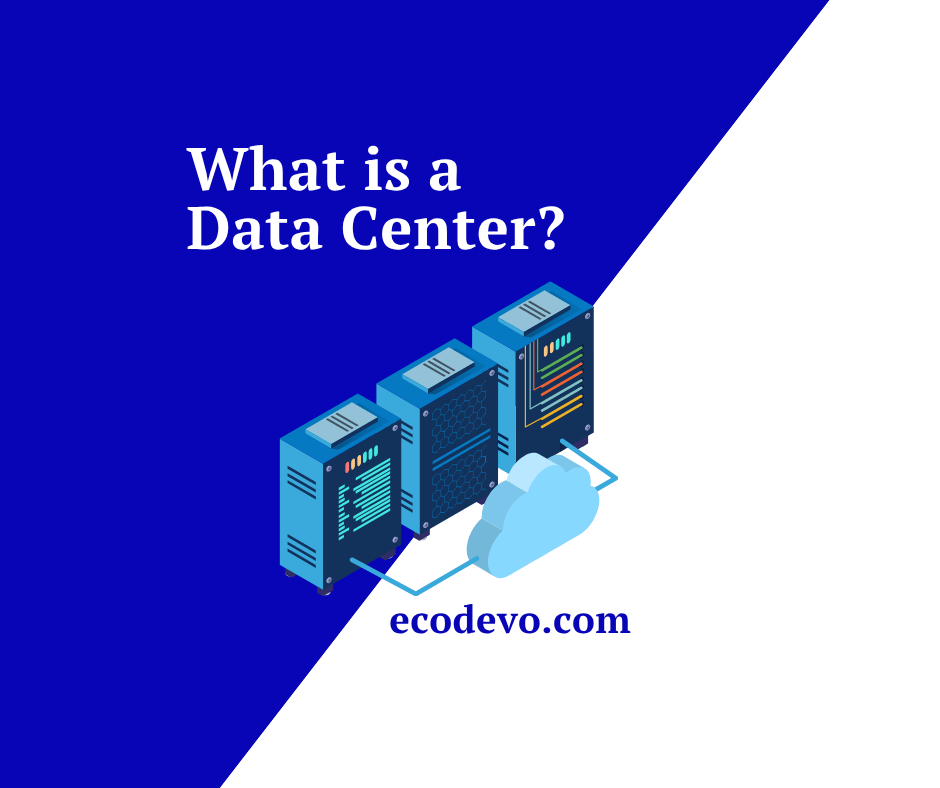
At their most basic level, data centers are facilities that store, process, and distribute digital information. They house large amounts of computing equipment — including servers, storage systems, networking hardware, and security systems — that allow digital services and applications to function.
You can think of a data center as the physical backbone of the internet and modern cloud computing.
When someone uploads a file to cloud storage, watches a Netflix show, searches Google, uses social media, processes an online payment, or asks an AI assistant a question, that activity is typically being handled by servers located inside a data center. These facilities continuously send and receive data across high-speed fiber networks so users can access information almost instantly.
Modern data centers are designed to support a wide variety of digital services, including:
- Cloud computing
- Artificial intelligence (AI)
- Online gaming
- Financial transactions
- Healthcare systems
- Government operations
- Business software
- Video streaming
- Data backup and disaster recovery
- Mobile and wireless communications
Not all data centers are the same. Some are relatively small facilities that support a single company or organization. Others, known as hyperscale data centers, are extremely large campuses operated by major cloud providers such as Amazon Web Services (AWS), Microsoft Azure, and Google Cloud. These hyperscale facilities can contain thousands of servers and support millions of users simultaneously.
Many modern data centers also support artificial intelligence applications, which require enormous computing power to process large datasets and train AI models. AI-focused facilities often use specialized computer chips and advanced networking infrastructure to handle these demanding workloads efficiently.
Because data centers operate around the clock, they require reliable electricity, cooling systems, backup power, cybersecurity protections, and high-speed internet connectivity. Cooling systems are particularly important because servers generate substantial heat while operating. Different facilities may use air cooling, liquid cooling, or closed-loop water cooling systems depending on their design and computing needs.
As digital technology continues to grow, data centers have become increasingly important infrastructure for both businesses and everyday life. Whether people realize it or not, many of the tools and services they depend on daily are powered by data centers located somewhere around the world.
Sources:
- Cisco: “What is a Data Center?”
- IBM: “What Are Data Centers?”
- TechTarget: “What is a Data Center?”
- Schneider Electric: “What is a Data Center?”
Read or download our compiled Reference Guide or abbreviated Summary Guide on data centers.