
Wamego Housing Project Breaks Ground
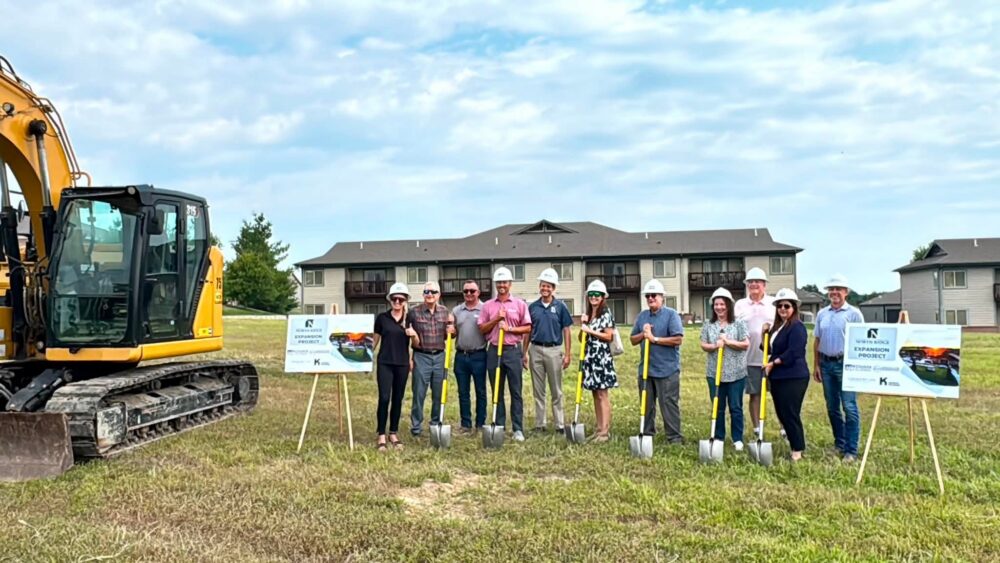
Ground has officially been broken on the North Ridge Apartments Expansion, a project that will add 48 new housing units in two new buildings, including units earmarked for senior housing.
Ground has officially been broken on the North Ridge Apartments Expansion, a project that will add 48 new housing units in two new buildings, including units earmarked for senior housing.
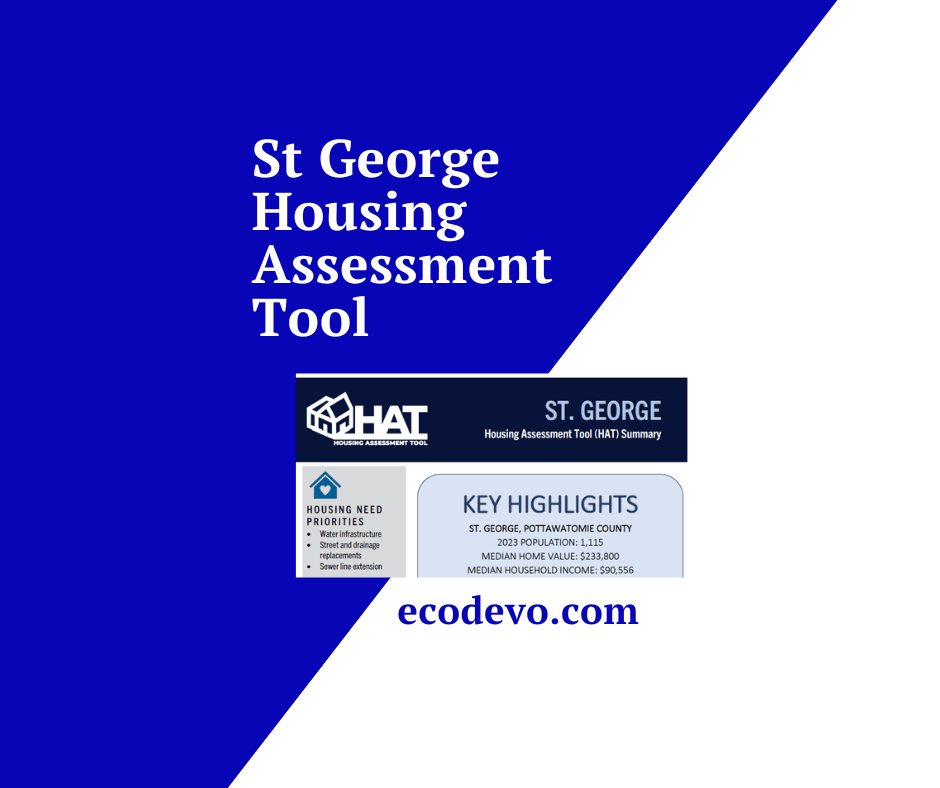
The Kansas Department of Commerce’s Housing Assessment Tool (HAT) is designed to help communities take a structured, data-driven look at their local housing conditions and needs. The following highlights from the St George HAT can inform the development of housing projects and are a key requirement for developers seeking support through programs like the Reinvestment Housing Incentive District (RHID), Moderate Income Housing (MIH) grants, and other public resources aimed at addressing housing challenges.

The Kansas Department of Commerce’s Housing Assessment Tool (HAT) is designed to help communities take a structured, data-driven look at their local housing conditions and needs. The following highlights from Blue Township HAT can inform the development of housing projects and are a key requirement for developers seeking support through programs like the Reinvestment Housing Incentive District (RHID), Moderate Income Housing (MIH) grants, and other public resources aimed at addressing housing challenges.

The Kansas Department of Commerce’s Housing Assessment Tool (HAT) is designed to help communities take a structured, data-driven look at their local housing conditions and needs. The following highlights from St. Marys HAT can inform the development of housing projects and are a key requirement for developers seeking support through programs like the Reinvestment Housing Incentive District (RHID), Moderate Income Housing (MIH) grants, and other public resources aimed at addressing housing challenges.

The Kansas Department of Commerce’s Housing Assessment Tool (HAT) is designed to help communities take a structured, data-driven look at their local housing conditions and needs. The following highlights from Wamego’s HAT can inform the development of housing projects and are a key requirement for developers seeking support through programs like the Reinvestment Housing Incentive District (RHID), Moderate Income Housing (MIH) grants, and other public resources aimed at addressing housing challenges.
Cities and counties across the nation are increasingly interested in offering incentive programs for housing projects to address pressing challenges related to affordability, workforce retention, and economic growth. Cities and counties across the nation are increasingly interested in offering incentive programs for housing projects to address pressing challenges related to affordability, workforce retention, and economic growth.
The term “moderate income housing” refers to housing options that are affordable to households earning a moderate income, generally defined as those earning between 80% and 120% of the area median income (AMI). This range varies by location, as it’s based on the local cost of living and income levels.
Further, “workforce housing” refers to housing options that are affordable to households earning between 60% and 120% AMI.
Housing numbers haven’t grown enough over the last five years to keep up with previously projected growth populations. The U.S. Census Bureau estimates Pottawatomie County had 10,400 units in 2023. According to Plan Pottawatomie County 2040 (the County’s strategic plan), we will require 14,162 housing units to accommodate the median population projection of 34,971 people. As it stands, to catch up, we need 235 new units per year now through 2040 to meet the needs for that population projection.
This case study focuses on the development of a 10-unit multiplex and adjacent ADA-compliant duplex housing project in Wamego, Kansas. The project utilized a historic building and involved a range of partners, taking advantage of grants and incentives. The project aimed to address affordable housing needs in the area while fostering economic development.
Attainable housing is a foundational element of economic development. Community involvement in promoting attainable housing ensures that the local economy remains competitive, resilient, and inclusive, while supporting the long-term growth and well-being of the community.